

The challenge for SaaS growth teams isn’t whether SEO works, it’s whether the tools you’re paying for actually deliver the pipeline.
Most mid-market B2B SaaS companies are over-spending on overlapping software or relying on dashboards that don’t tie back to SQLs or trials, and use content budget benchmarks to sanity-check where spend should live. That bloat creates wasted budget, slower execution, and fuzzy ROI conversations with finance.
▶️ This matters because organic search remains your lowest-CAC acquisition engine, see blog vs paid ads for SaaS growth for the trade-offs.
But when every dollar is scrutinized, your stack has to prove impact (more trials started, higher trial→paid conversion, increased ACV). Expectation-setting helps; our SaaS blog ROI timeline shows how velocity and quality shape time-to-results.
If you’d like a quick stack sanity check, Book a call with The Rank Masters.
👉 In this guide, we’ll walk through the ROI-first SaaS SEO stack we use at The Rank Masters: how to pick tools, avoid bloat, compare vendors, and launch a 30/60/90-day rollout that drives measurable results.
The Complete SaaS SEO Stack for 2025
Before diving into details, here’s a quick comparison table that highlights the top SEO tools, what they’re best for, and the trade-offs to consider on price, features, and usability.
| Product | Best for | Pros | Cons |
|---|---|---|---|
| Ahrefs | KW research + backlinks | Fast UI, backlink depth | Pricey for seats |
| Semrush | All-in-one suite | Broad coverage | Feature overlap |
| Screaming Frog | Deep crawls | Powerful, export-rich | Old-school UI |
| Sitebulb | Visual audits | Great for stakeholders | Slower at scale |
| Clearscope | Briefs & on-page | Loved by writers | Expensive |
| Surfer | On-page bundle | Value-packed | Less refined UX |
| AccuRanker | Rank tracking | Best at scale | Premium cost |
| SE Ranking | Lean teams | Budget-friendly | Less polish |
| BuzzStream | Outreach CRM | Simple, efficient | Limited automation |
| Pitchbox | Scaled PR | Enterprise-ready | Steeper learning curve |
▶️ Not sure which tool fits each job? → Book a 30-min strategy call
How to Choose the Right SEO Tools for Each Job
Selecting SEO tools isn’t about chasing features (it’s about matching the right tool to the job that drives SaaS growth). From research and crawling to content, tracking, and outreach, each category has a clear role in moving trials, SQLs, and ARR forward.
1. Research: Finding Topics and Sizing Demand
Every SEO program begins with research. The question isn’t just “what keywords have volume?” but rather, “what topics will convert to trials or sales conversations?” For SaaS companies, this distinction is critical. Start with a SaaS keyword research workflow that ties topics to personal pain, activation moments, and expected funnel impact.
Ahrefs

Ahrefs remains the tool of choice for SaaS teams serious about competitive SEO. Its backlink index is the largest and most reliable in the industry, giving you a clear picture of how competitors win authority. Keyword Explorer makes it simple to size demand and difficulty at a glance.
Pros:
- Largest backlink index with industry-leading accuracy.
- Clear keyword difficulty scoring for prioritization.
- Fast, intuitive interface that speeds up workflows.
Cons:
- Premium pricing makes it less accessible to smaller teams.
- Limited seats without incurring extra cost.
- Lacks broader channel data (PPC, social) compared to rivals.
Semrush
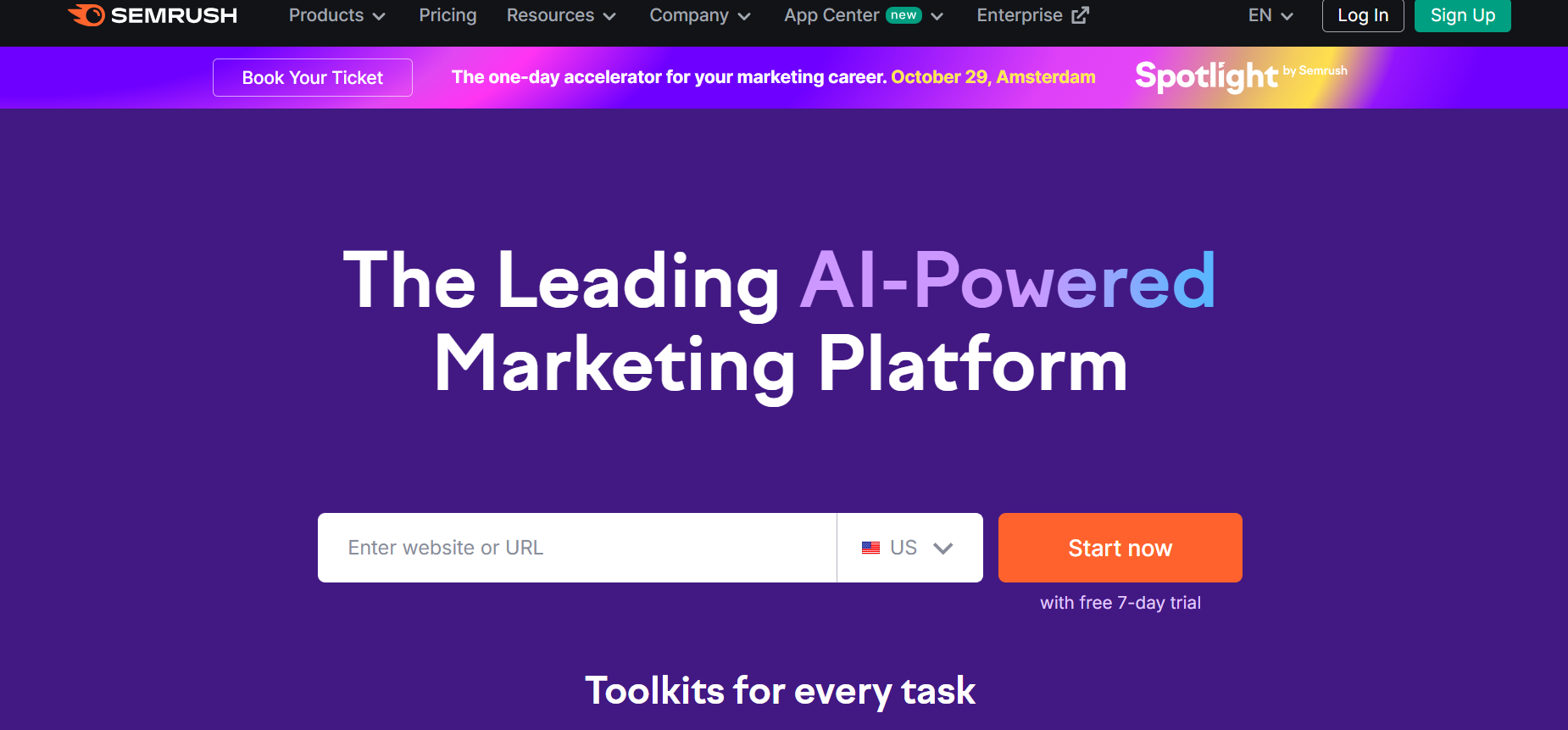
Semrush appeals to growth teams that want an all-in-one suite. Beyond SEO, it layers in PPC, social media, and competitor benchmarking, making it a strong fit for SaaS companies running multi-channel campaigns.
Pros:
- Comprehensive data across SEO, PPC, and social.
- Strong competitor benchmarking tools.
- Reliable site audit module included in base plans.
Cons:
- Feature sets can feel bloated for pure SEO use.
- Higher tiers required for enterprise-level data.
- Keyword metrics are sometimes less precise than Ahrefs.
Google Search Console
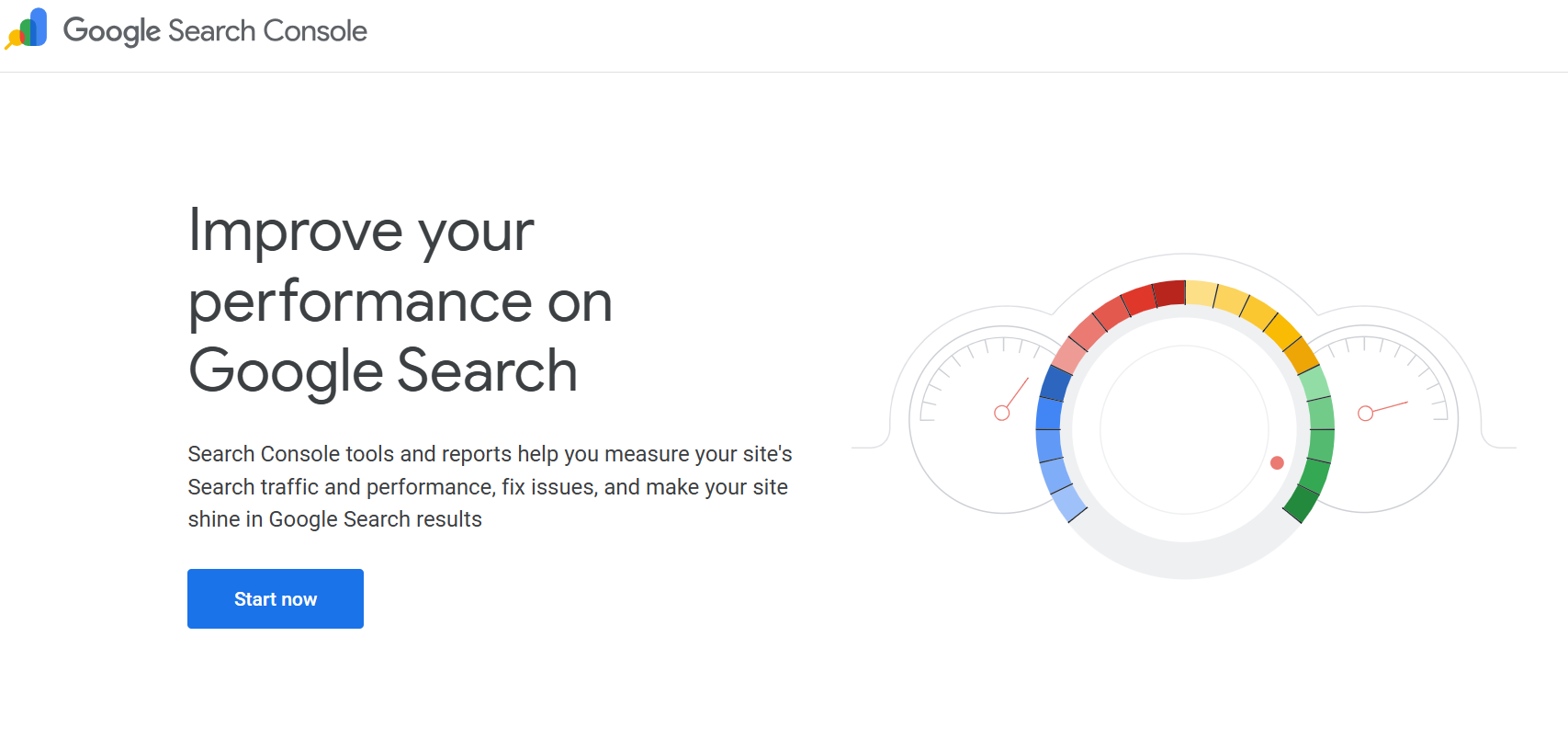
Search Console is not optional (it’s the baseline for reality). It shows which queries already bring impressions, which pages get clicks, and whether technical errors block growth. For SaaS teams, it’s the free source of truth for what’s really happening.
Pros:
- Free, first-party data directly from Google.
- Essential diagnostics for indexation and site health.
- Clear visibility into impressions, CTR, and rankings.
Cons:
- Limited keyword depth compared to paid tools.
- No competitor intelligence.
- Historical data capped (16 months).
Google Trends
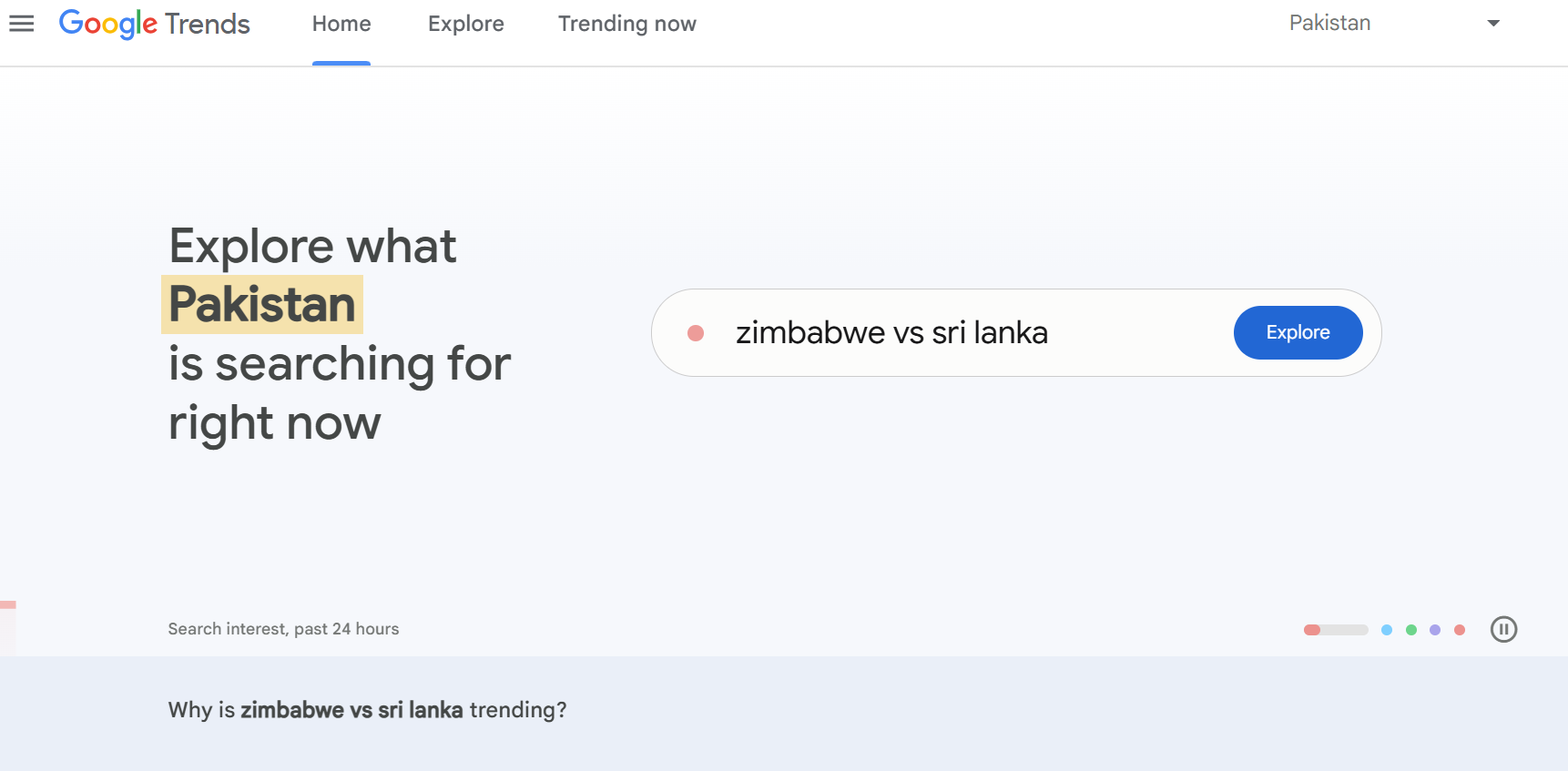
Trends complement paid tools by showing whether demand is growing or shrinking. For SaaS entering new markets or launching features, it’s a quick way to validate that search interest is real and rising.
Pros:
- Real-time insight into demand shifts.
- Simple interface for quick validation.
- Free and easy to access alongside paid tools.
Cons:
- No hard numbers for absolute search volume.
- Too broad for niche SaaS categories.
- Data can fluctuate and feel directional, not definitive.
✉️ Share your target personas; we’ll suggest topics → Email [email protected]
2. Crawling and Auditing: Fixing the Site
The second pillar of SEO is technical health. No amount of content will help if your site is slow, bloated, or un-crawlable. Crawlers surface the issues that silently block rankings.
Use our B2B SaaS content audit checklist to triage findings into fixes that actually move the pipeline.
Screaming Frog
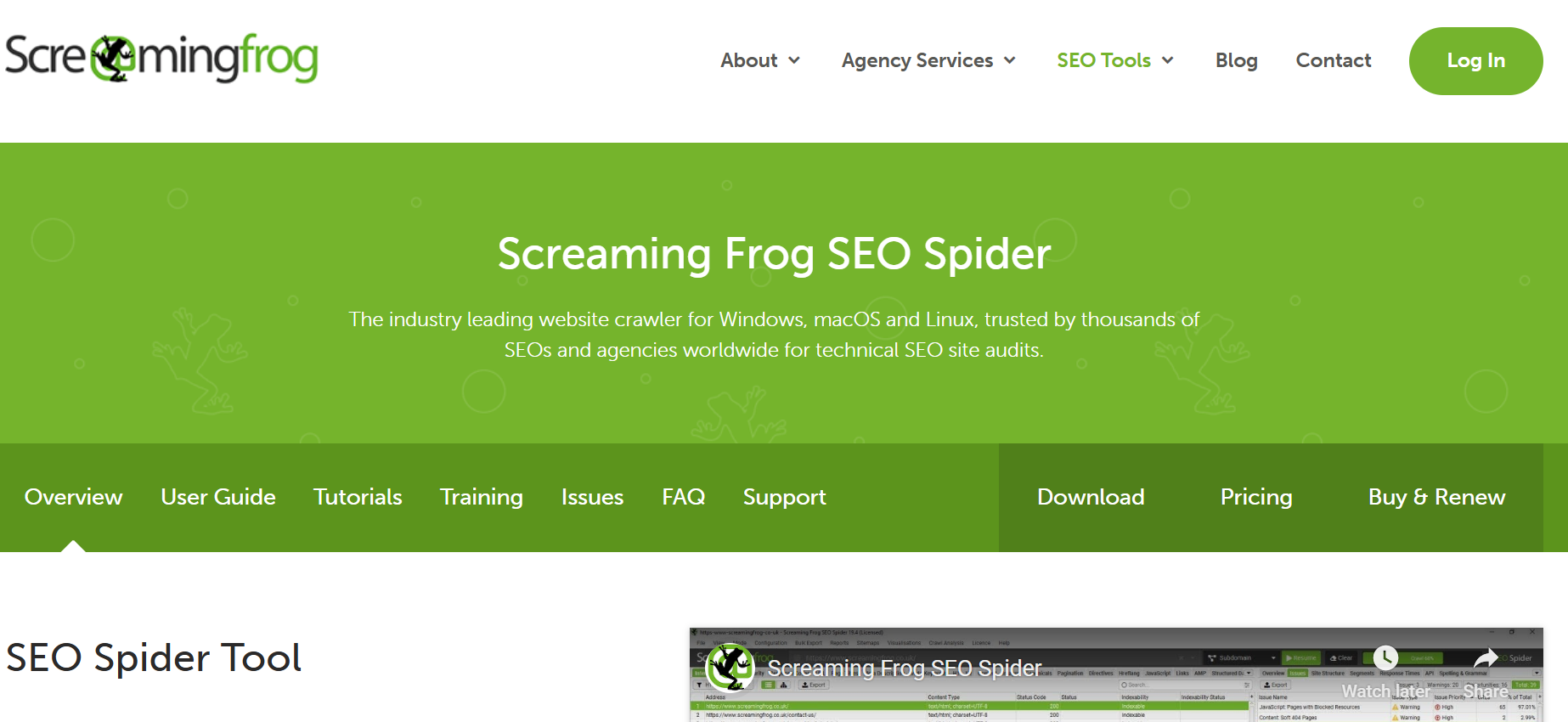
Screaming Frog is the workhorse of the industry. It’s fast, export-heavy, and gives technical SEOs full control over every detail. From redirects to meta tags, it reveals the problems hidden deep in your site.
Pros:
- Extremely detailed crawl data for technical SEO.
- Powerful export options for analysis in Sheets/Excel.
- Affordable one-off license compared to SaaS pricing.
Cons:
- Clunky, old-school user interface.
- Steeper learning curve for beginners.
- Desktop-based, limited by machine capacity.
Sitebulb
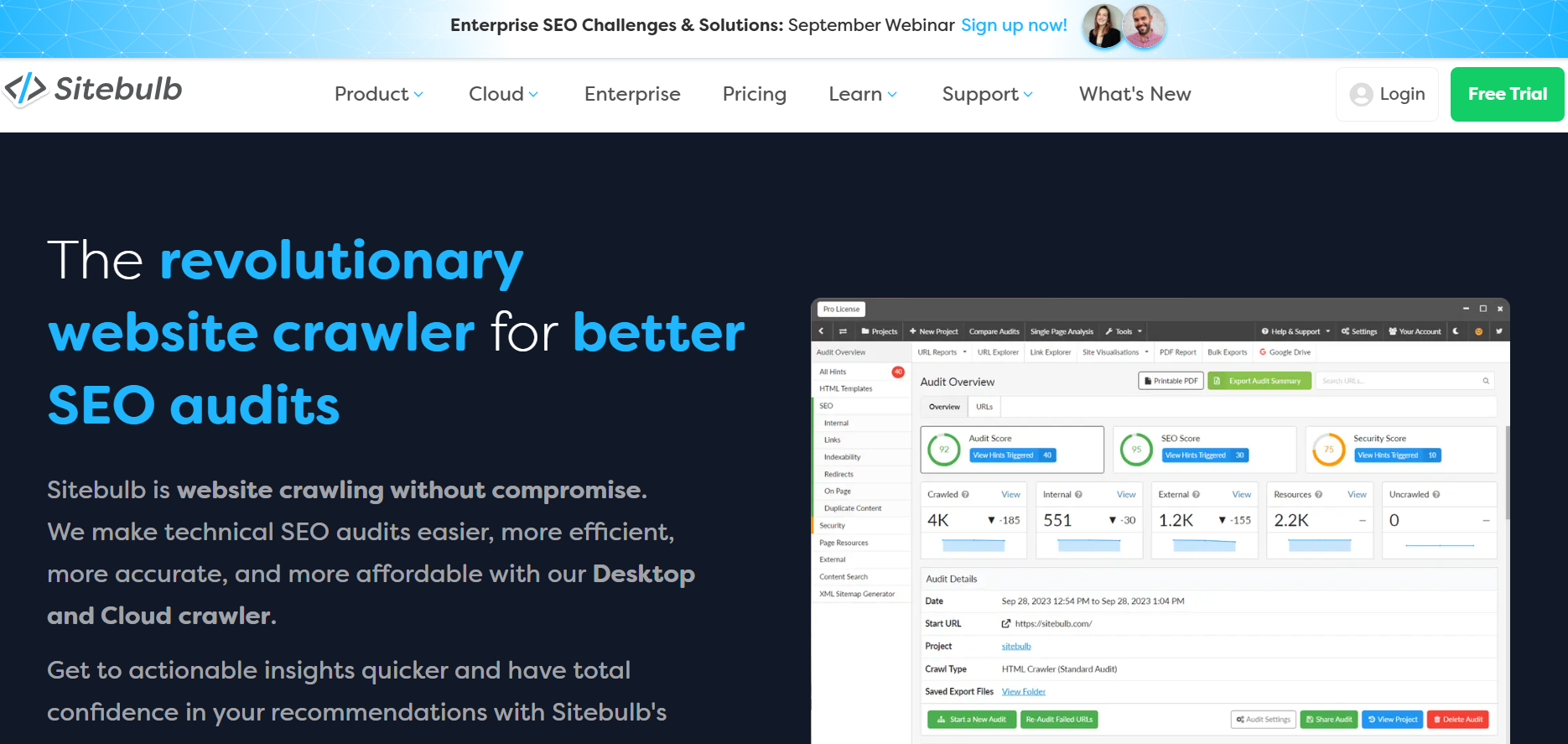
Sitebulb takes the same crawl depth and makes it visual. Reports are designed to be shareable with executives and non-technical stakeholders. For SaaS companies where buy-in matters, Sitebulb translates technical SEO into action.
Pros:
- Highly visual reports, great for executive buy-in.
- Strong audit scoring system with prioritization.
- Easier for non-technical users to understand.
Cons:
- Slower for very large websites.
- Requires desktop installation.
- Less customizable than Screaming Frog.
JetOctopus
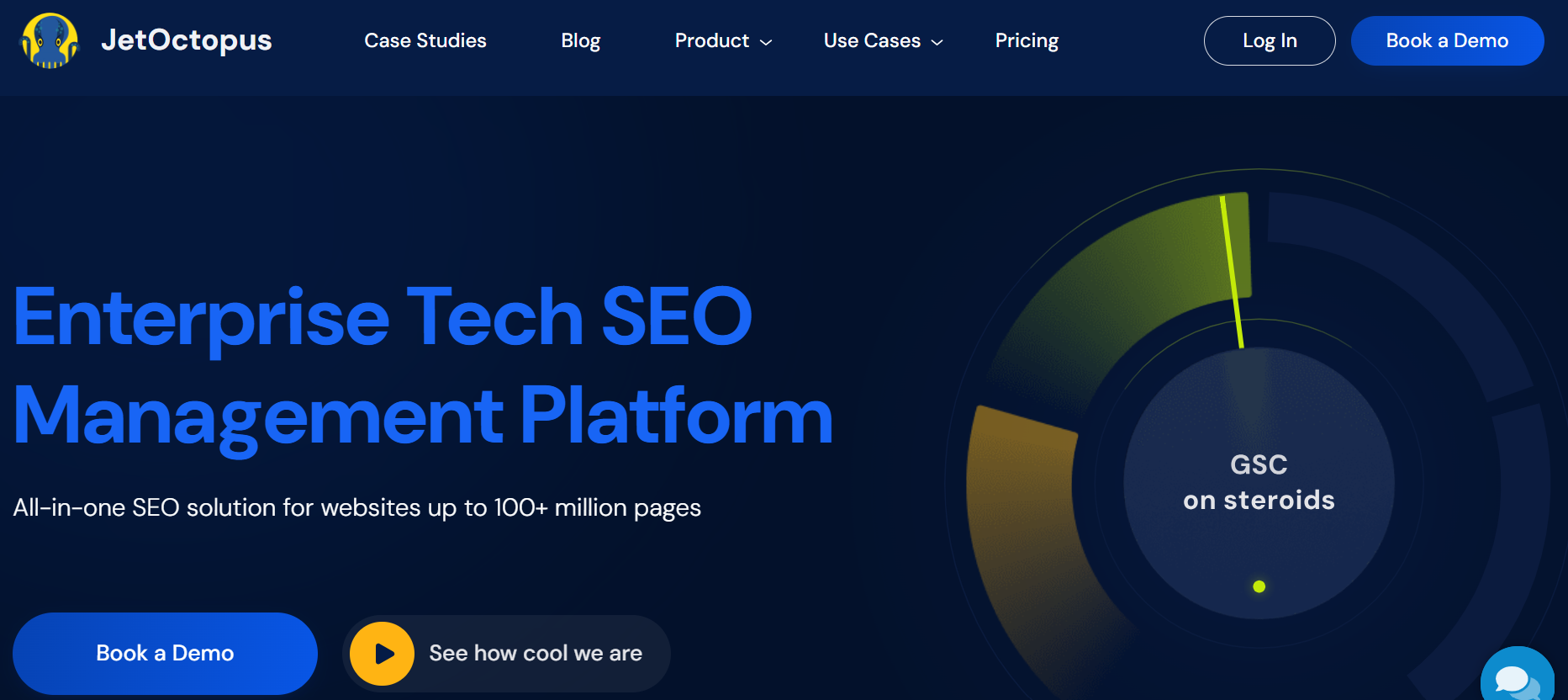
For companies with thousands of docs or product pages, JetOctopus is a lifesaver. As a cloud crawler, it handles massive sites without draining local machines. Real-time dashboards make it easy to monitor health continuously.
Pros:
- Cloud-based, unlimited scale.
- Real-time dashboards with continuous monitoring.
- Team-friendly, no need for local installs.
Cons:
- Overkill for smaller sites.
- Interface less polished than competitors.
- Usage-based pricing can climb with scale.
ContentKing (Conductor)
ContentKing takes crawling one step further by monitoring in real time. Instead of waiting for monthly audits, it alerts you the moment a page changes or breaks. For SaaS teams with frequent deployments, this proactive monitoring prevents revenue-killing mistakes.
Need hands-on remediation after you’ve surfaced the issues? Our SaaS content audit & fix sprint turns prioritized problems into shippable fixes fast.
Pros:
- Real-time monitoring and instant alerts.
- Integrates with Slack, email, and dashboards.
- Great for fast-moving SaaS teams with frequent releases.
Cons:
- Less granular crawl depth than Screaming Frog.
- Higher monthly cost than one-time tools.
- Can generate noise with minor change alerts.
▶️ Get a technical crawl + fix shortlist → Request an SEO Audit
3. Content Optimization: Turning Keywords into Winning Pages
Once you know what to target and your site is sound, the next challenge is creating content that ranks. Content optimization tools make sure every page is built to win, then plug them into your SEO content operations so briefs, drafts, and updates stay aligned to revenue.
Clearscope
Clearscope is the gold standard for writers. Its semantic coverage scores are easy to understand and give confidence that drafts are comprehensive. Adoption is high because writers like it, which makes it especially valuable for SaaS teams scaling content.
Pros:
- Clean, intuitive interface loved by content teams.
- Strong semantic coverage scores that correlate with rankings.
- High adoption across writers, ensuring consistency.
Cons:
- Expensive for smaller budgets.
- Limited extra features beyond briefs/scoring.
- Seat-based pricing grows quickly.
Surfer
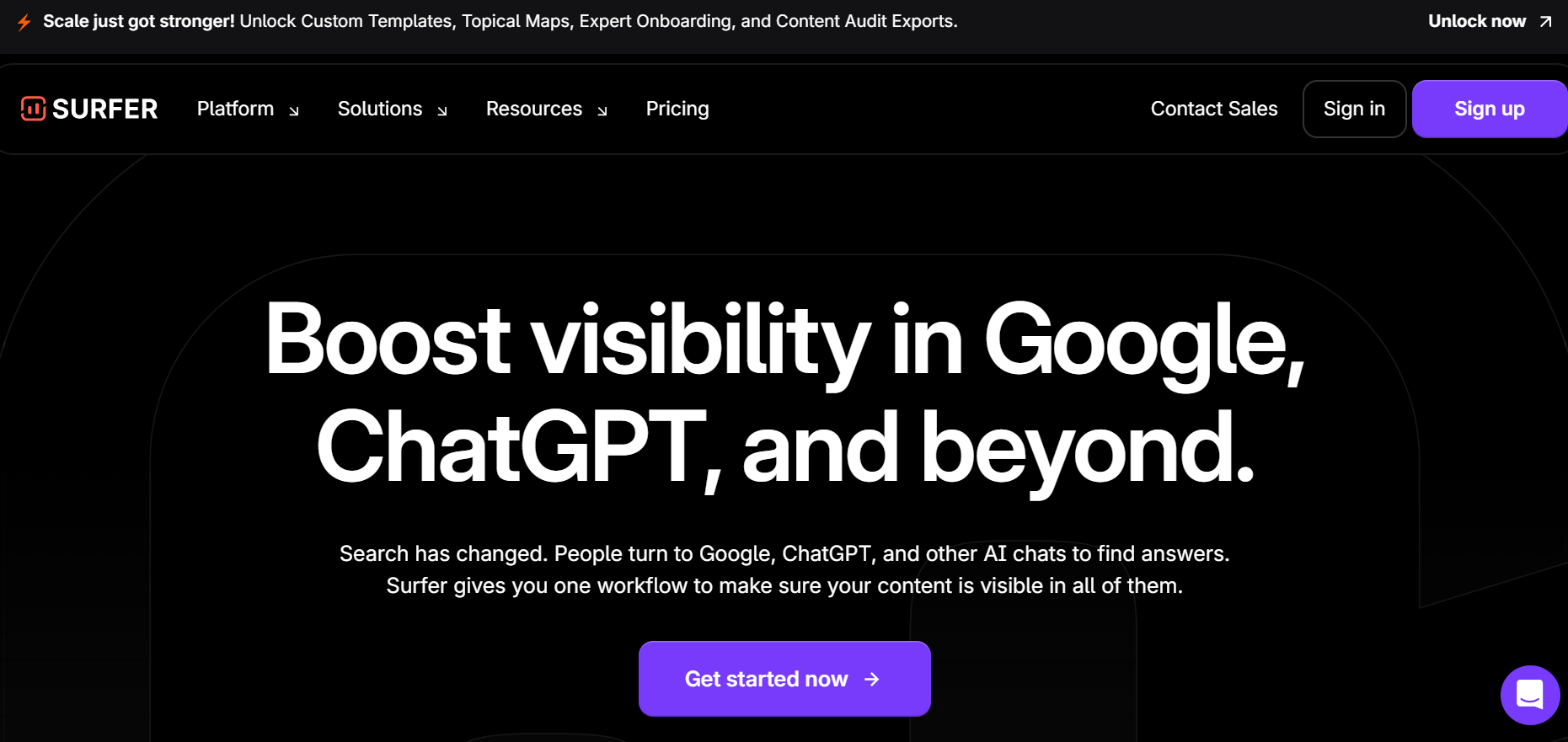
Surfer delivers more features for the price. It creates keyword outlines, audits existing content, and scores new drafts. For SaaS teams that want one subscription to do multiple jobs, Surfer is the value-packed choice.
Pros:
- Multi-functionality (briefs, audits, on-page).
- Competitive pricing for breadth of features.
- Active updates and growing ecosystem.
Cons:
- Less polished UI compared to Clearscope.
- Can overwhelm new users with options.
- Scores sometimes inconsistent across niches.
Frase
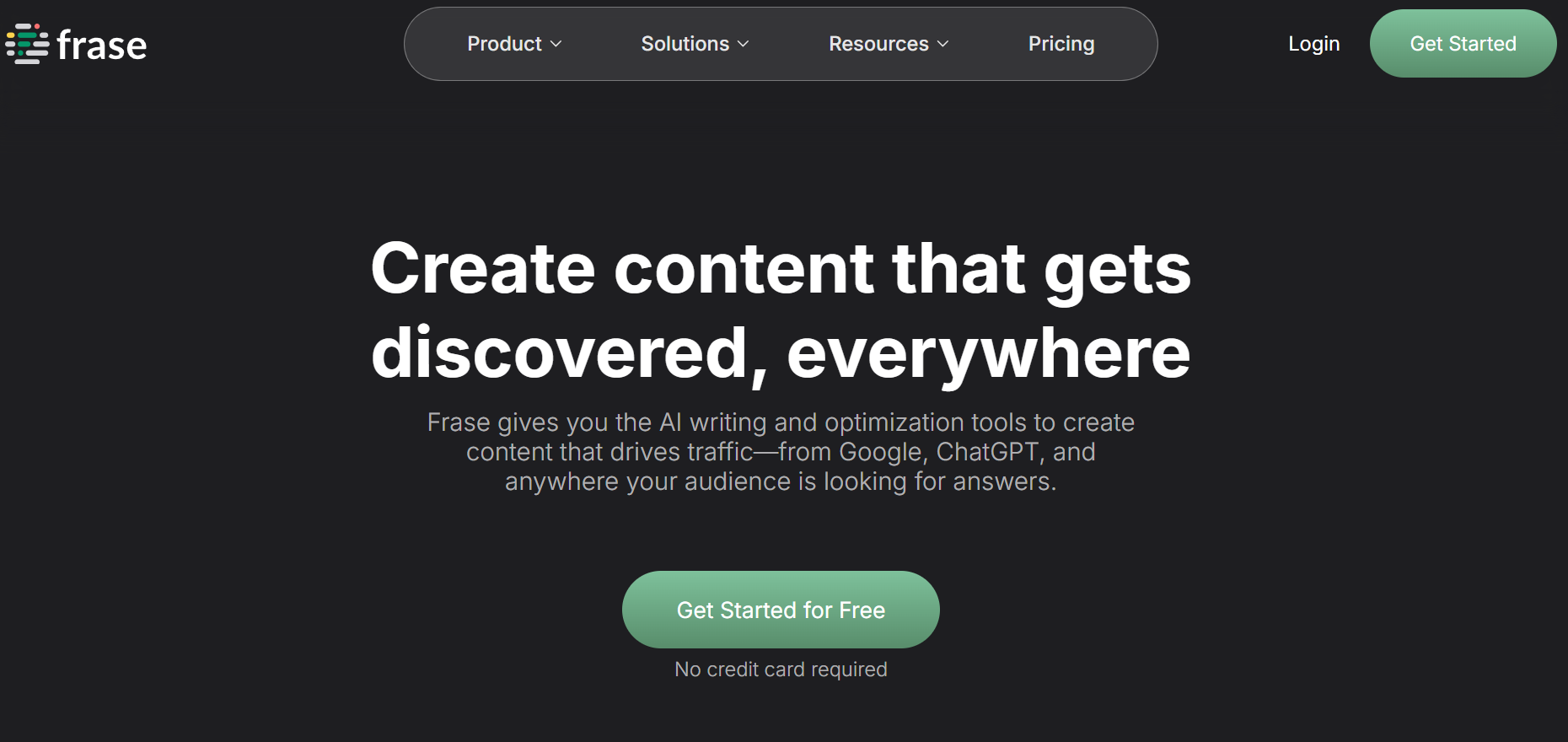
Frase makes optimization affordable. It generates content briefs quickly and can even draft copy with AI assistance. For lean SaaS teams, it’s a way to accelerate without overspending.
Pros:
- Fast content briefs with AI draft generation.
- Lower entry cost than Clearscope/Surfer.
- Good for lean teams with limited SEO expertise.
Cons:
- Drafts often require heavy editing.
- Scoring less accurately than Clearscope.
- Limited integrations compared to bigger platforms.
4. Rank Tracking: Measuring Progress
Rank tracking remains the simplest way to measure whether SEO work is paying off.
AccuRanker
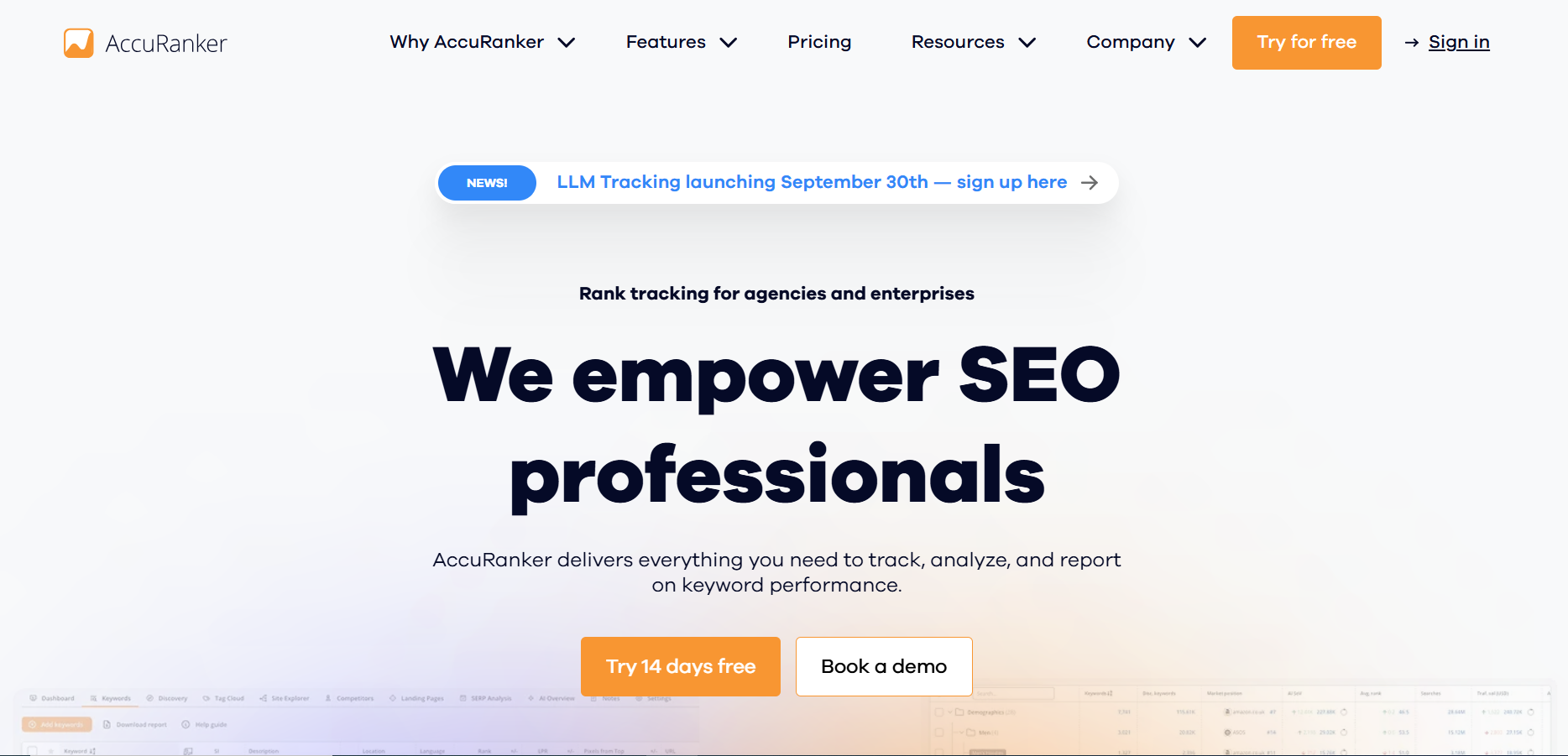
AccuRanker is the premium choice for scale. It delivers daily updates, powerful segmentation, and reliable accuracy. For SaaS companies monitoring hundreds of keywords, it’s the go-to.
Pros:
- Daily rank updates with excellent accuracy.
- Strong segmentation and tagging for funnel analysis.
- Scales to thousands of keywords with ease.
Cons:
- Premium pricing not suited for small teams.
- Advanced features require setup time.
- Reporting UI less friendly for execs.
SE Ranking
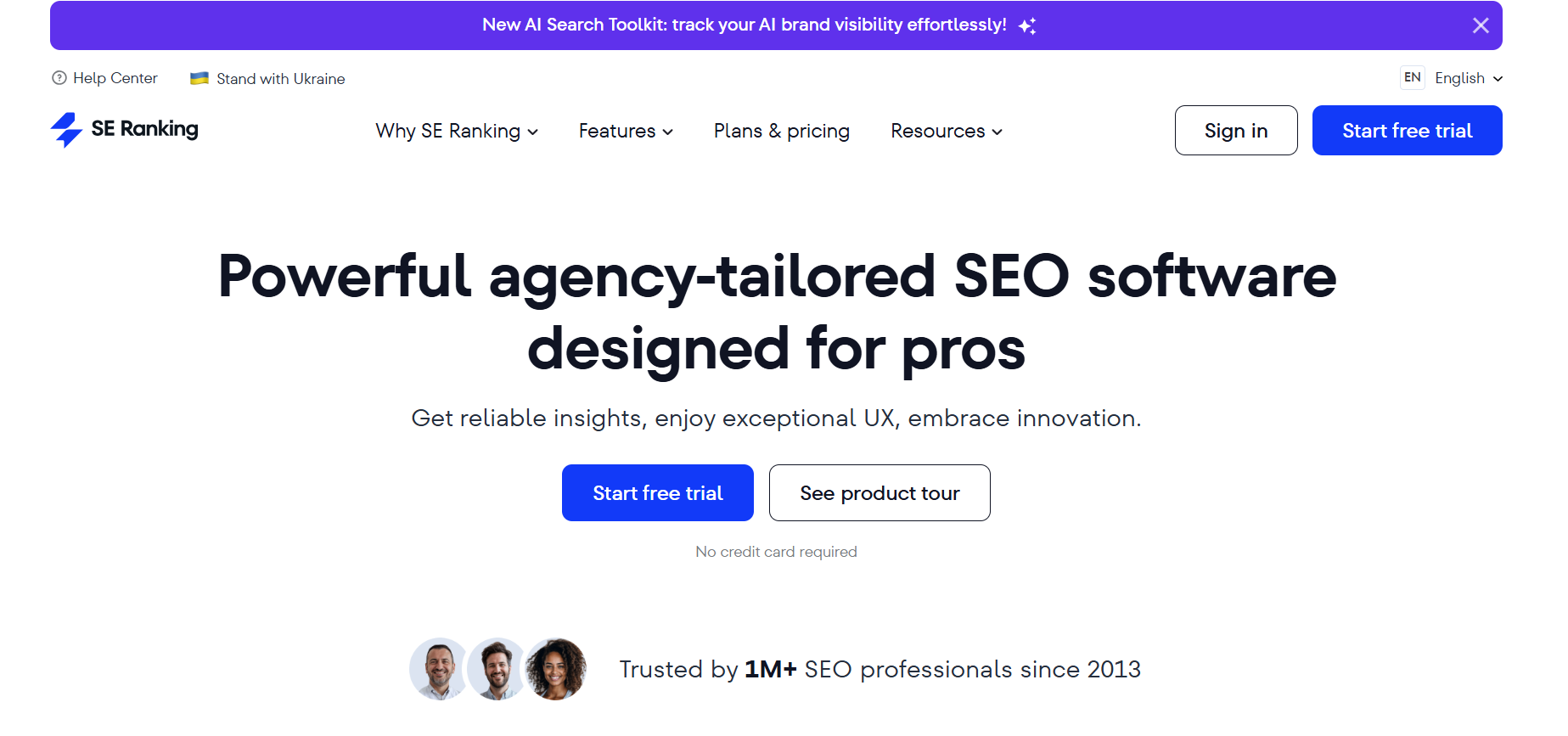
SE Ranking provides most of what smaller SaaS teams need at a fraction of the price. It includes tracking, basic audits, and reporting, all in one lightweight package.
Pros:
- Budget-friendly pricing tiers.
- All-in-one (tracking, audits, reports).
- Decent accuracy for most SaaS needs.
Cons:
- UI less polished than enterprise tools.
- Weekly updates may lag behind market shifts.
- Limited integrations with BI platforms.
Nightwatch
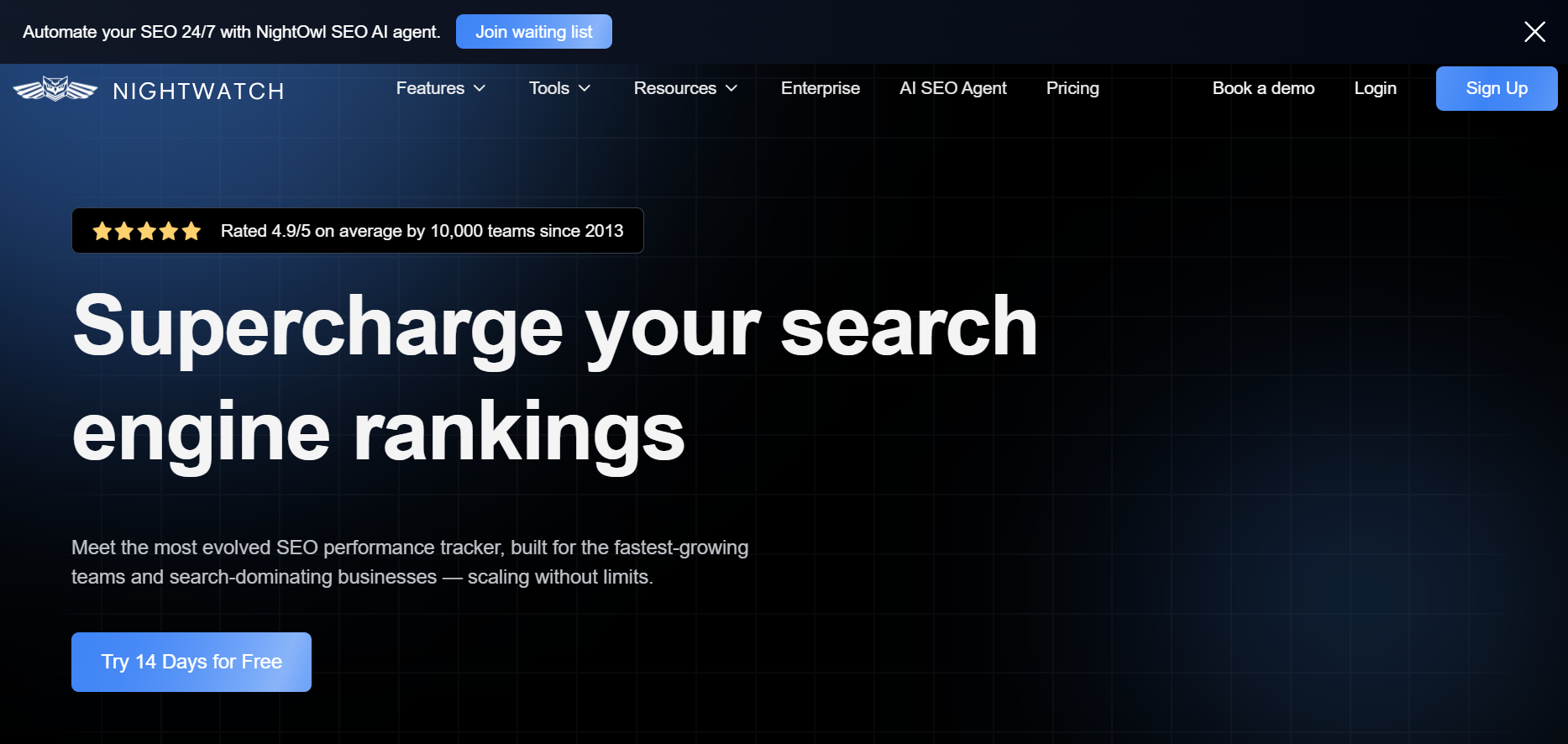
Nightwatch is modern, clean, and excels at segmentation. It lets SaaS teams view rankings by location, funnel stage, or product line (making reporting sharper and more relevant to business outcomes).
Pros:
- Modern interface that’s easy to use.
- Strong segmentation and filtering options.
- Affordable for growing teams.
Cons:
- Smaller user base, less community support.
- Fewer advanced enterprise features.
- Limited third-party integrations.
5. Link Outreach: Earning Mentions that Move the Needle
Links remain one of the strongest ranking factors. For SaaS in competitive markets, structured outreach is non-negotiable.
BuzzStream
BuzzStream organizes link building like a CRM. It manages contacts, tracks conversations, and keeps campaigns on track. Outreach feels less chaotic and more systematic.
Pros:
- Streamlined CRM-style outreach management.
- Easy to manage prospects and replies.
- Affordable for small to mid-sized teams.
Cons:
- Less automation than Pitchbox.
- Manual effort needed to scale big campaigns.
- Basic reporting compared to enterprise options.
Pitchbox
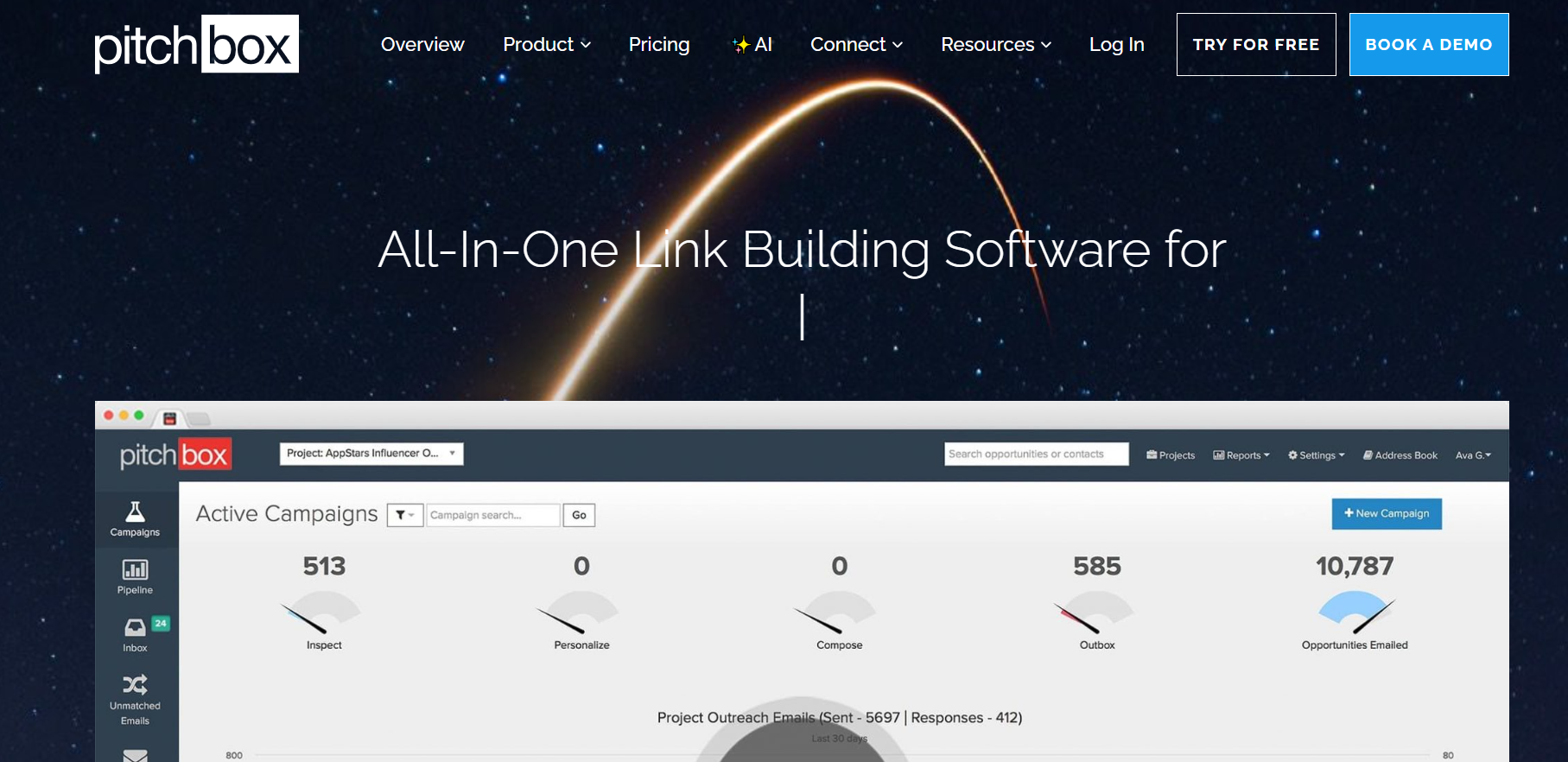
Pitchbox is built for scale. It automates prospecting, follow-ups, and approvals, making it perfect for digital PR or large outreach teams. SaaS companies with multiple stakeholders benefit most.
Pros:
- Advanced automation for prospecting and follow-ups.
- Approval workflows are ideal for large teams.
- Highly customizable campaign management.
Cons:
- Expensive for small SaaS teams.
- Steep learning curve.
- Overkill if the outreach volume is low.
Hunter
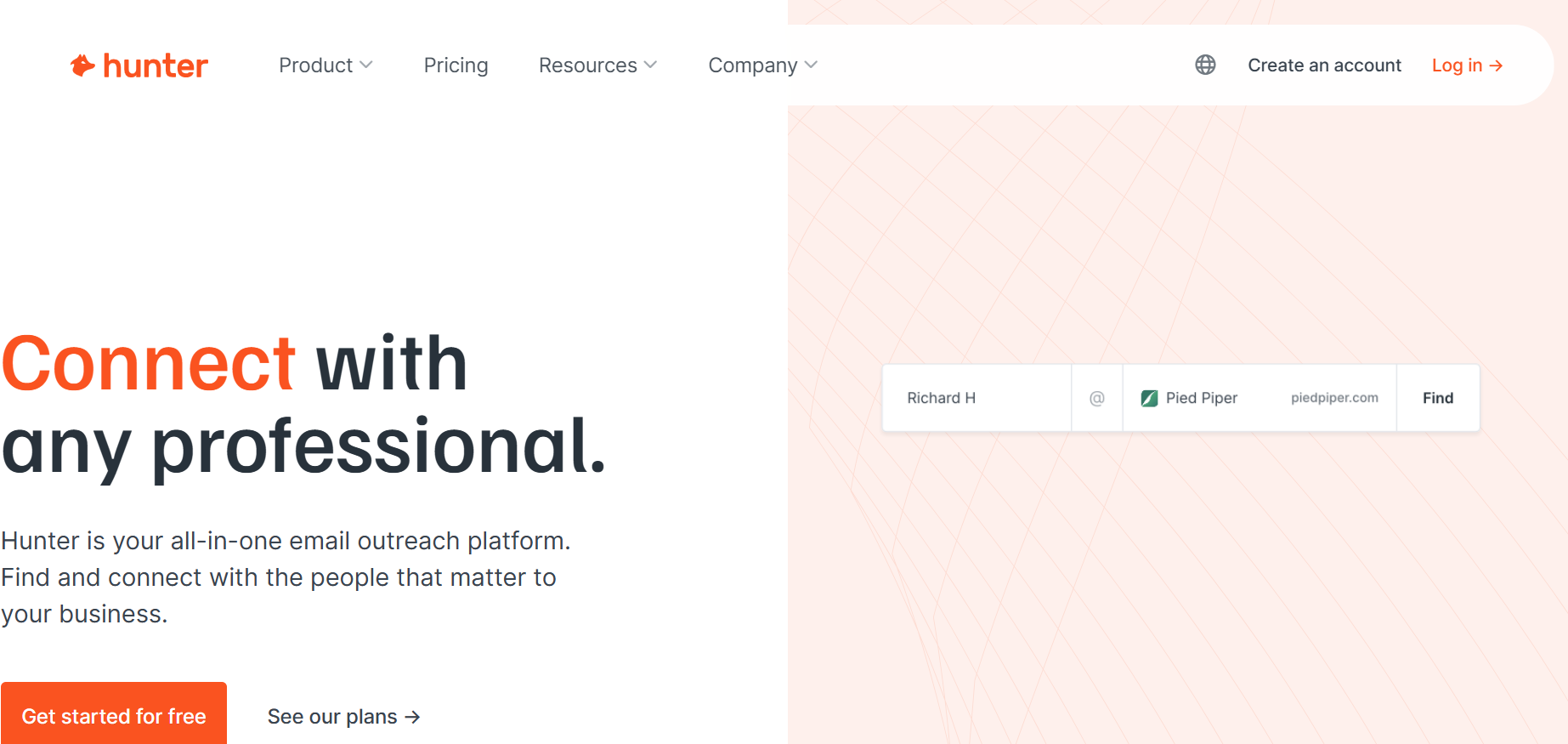
Hunter focuses on one thing: finding verified email addresses fast. It’s lightweight but powerful, making prospecting smooth when paired with BuzzStream or Pitchbox.
Pros:
- Fast, reliable email discovery.
- Easy integration with outreach tools.
- Free tier for light use.
Cons:
- Limited features beyond email finding.
- Accuracy can vary for niche markets.
- Paid tiers needed for larger campaigns.
Buying Guide: How to Compare SEO Tools for SaaS
Choosing SEO tools shouldn’t be about chasing shiny features or copying what another team uses. The real question is simple: does this tool create ROI for your SaaS business?
In practice, that means picking tools that help you ship content faster, reduce wasted spend, and win more qualified traffic that leads to trials and SQLs.
At The Rank Masters, we don’t evaluate tools on marketing hype. We benchmark them against five dimensions that actually move the needle:
- Coverage of data – How deep and wide is the dataset? Can it surface backlinks, keywords, competitor intel, and SERP features in your market?
- Freshness and accuracy – SEO is a moving target. Daily or weekly updates can make the difference between catching a competitor's play and reacting too late (see SGE impact on SaaS content for why this matters).
- Ease of use for non-SEOs – A tool that only your SEO lead understands will stall adoption. Writers, PMs, and execs should be able to act on insights, not just stare at dashboards.
- Price per seat – SaaS teams grow fast. If adding a few new marketers doubles your bill, that tool won’t scale. Fair seat pricing and flexible tiers matter, use SaaS content spend allocation principles to sanity-check ROI.
- Integrations – Your stack shouldn’t live in a silo. The best tools export cleanly to Sheets, push alerts to Slack, and plug into dashboards (Looker, Notion, CRM).
When we apply these criteria, some clear patterns emerge.
▶️ Send your shortlist; we’ll spot bloat → Email [email protected]
How to Address Common Objections About SEO Tools
Whenever SEO budgets or tool stacks are discussed, the same objections come up again and again. Stakeholders question whether specialized tools are necessary or whether the costs are justified. Addressing these concerns directly (and with data) is critical to securing buy-in.
One common objection is: “Our suite already has a crawler.” While bundled crawlers exist, dedicated tools like Screaming Frog or Sitebulb uncover far more technical issues and generate developer-ready exports that actually get fixed (use a comprehensive SaaS audit list to align findings to fixes).
Another pushback is around content optimization: “Clearscope is too expensive.” The truth is that adoption matters more than price. A $170/month tool that every writer uses consistently is far more valuable than a $20/month subscription that no one touches.
Some leaders dismiss rank tracking as a form of vanity. But for SaaS companies, rankings aren’t just numbers, they connect directly to trial starts and SQL volume. Daily visibility into keyword performance means you can react before competitors outrank you.
And while some still argue “link building is dead,” the data shows otherwise. Faster link velocity correlates directly with improved keyword visibility in SaaS.
The final objection, “this is too many tools,” is addressed with a one-tool-per-job framework. By assigning each tool to a single job-to-be-done, you eliminate redundancy and avoid bloat. The stack stays lean, cost-efficient, and ROI-positive.
How SEO Tools Integrate Into the SaaS Growth Engine
An ROI-driven SEO stack doesn’t operate in isolation. The real value comes when SEO tools integrate directly with the broader growth motion, feeding insights into sales, marketing, and even product.
For example, rank tracking should connect to sales dashboards, showing how trial-start keywords are performing. This way, SEO wins are visible not just to marketers, but to revenue teams.
Top-of-funnel content becomes more impactful when tied to CRM data. Mapping keywords in HubSpot or Salesforce closes the attribution loop, proving how blog posts, guides, or comparison pages influence sign-ups and SQLs; pair this with a lifecycle content strategy guide to keep topics aligned to MQL → SQL → Opportunity stages.
👉 For execution, align writers on a shared collaborative SEO content planning workflow so briefs and drafts stay consistent across teams. If your blog’s goal is demand creation, pressure-test outlines against a SaaS blog strategy for organic leads approach to make sure every piece has a path to conversion.
▶️ Content optimization tools like Clearscope or Surfer are woven into the writing process itself. Every draft is optimized before editorial review, making sure consistency and quality at scale. Monitoring tools like ContentKing protect against costly mistakes. Integrating release alerts with RevOps and engineering process owners is where SaaS SEO consulting pays off, tying technical changes directly to revenue risk.
The result is that SEO is no longer a silo. Instead, it becomes a measurable contributor across the entire customer journey, from initial discovery to trial conversion to long-term retention.
Action Plan: Rolling Out Your SEO Stack in 30/60/90 Days
Today, map your current tools. Write down owners, renewal dates, and what job each tool serves.
In the next 30 days, cancel overlap and test one crawler and one content optimization tool. Run a baseline audit and produce three optimized briefs.
By 60 days, launch your rank tracking system and kick off your first structured outreach campaign. Share progress with growth and sales teams.
By 90 days, review each tool’s impact. If a tool isn’t saving time or directly contributing to trial volume or pipeline, cut it. Negotiate renewals or consolidate seats for those that remain.
💡 Kick off a 30/60/90 implementation sprint → Book a 30-min call