
With the passage of time, search engines like Google have become far more sophisticated. This means that blindly acquiring backlinks from every site is no longer valuable. Instead, webmasters now need to focus on backlink relevancy, quality, and site authority.
In simple words, before building any backlink, its quality should be carefully evaluated to avoid later damage to the website's performance.
Beforehand evaluation can prove beneficial in numerous ways. For instance, it assists in avoiding toxic links, protects the site’s reputation in the eyes of search engines, and ensures long-term SEO growth.
Now, the question is: how can you perform the backlink evaluation process? There is no need to look around. This blog post is going to explain every possible piece of information that you need to know in this regard.
Effective Approach for Evaluating Backlink Quality Before Acquiring Links
Here is a useful approach that webmasters or SEO professionals can follow to evaluate backlink quality.
1. Analyze Website Relevancy
Website relevancy is one of the most important elements that Google considers to determine the overall value of the backlink. That’s why you need to make sure the source site is relevant to your niche and targeted audience.
A backlink from a closely relevant website gives the search engine an indication that the site is trustworthy and authoritative.
Here is how you can assess a source website for relevancy:
- Take a detailed tour of the site, and review its content categories
- Check if the topics covered match your website
- Check if the website shares the same targeted audience as you do
Keep in mind that acquiring backlinks from a totally irrelevant website will harm your site's visibility in SERP, instead of actually improving it.
2. Monitor Traffic Graph & Visibility
A website’s traffic graph can also give a clear idea about its trustworthiness. An authoritative site usually has a consistent traffic graph and good visibility in the SERPs.
On the other hand, irregular traffic patterns such as sudden spikes or sharp declines usually indicate paid traffic or reliance on spammy tactics. Getting a link from such a website can prove harmful to your rankings.
There is a wide range of specialized tools available online that can help you monitor and track the traffic graph of any website. One of the popular options is SEMrush, which provides daily and monthly traffic graphs.
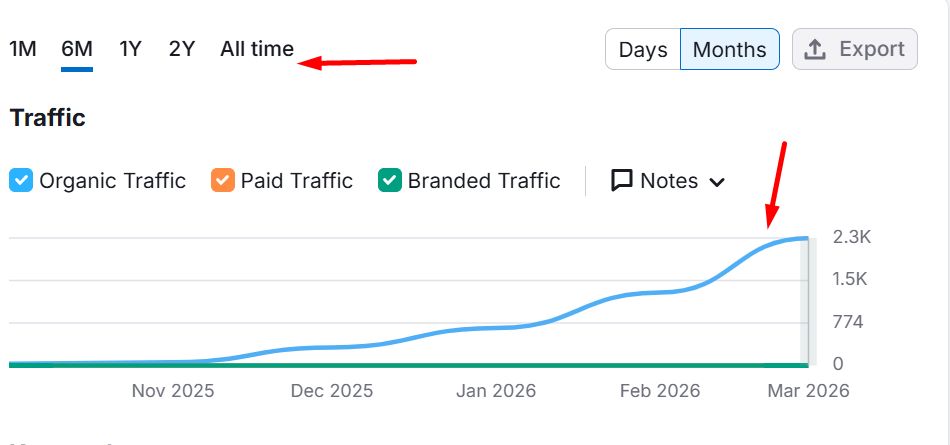
Acquiring backlinks from a high-traffic website will not only boost your website's trust but also likely bring a bunch of visitors regularly.
3. Calculate Domain and Page Authority
Domain and page authority are scores ranging from 0 to 100. It helps determine the ranking potential of a website in the SERPs. A high score indicates the website is authoritative and likely to dominate the search engine.
So, before acquiring backlinks from any website, it is essential to check both its domain and page authority scores. These scores can be measured using a free DA PA checker. Simply enter the URL, click the button, and review the score.
Check out the screenshot below for a visual demonstration.
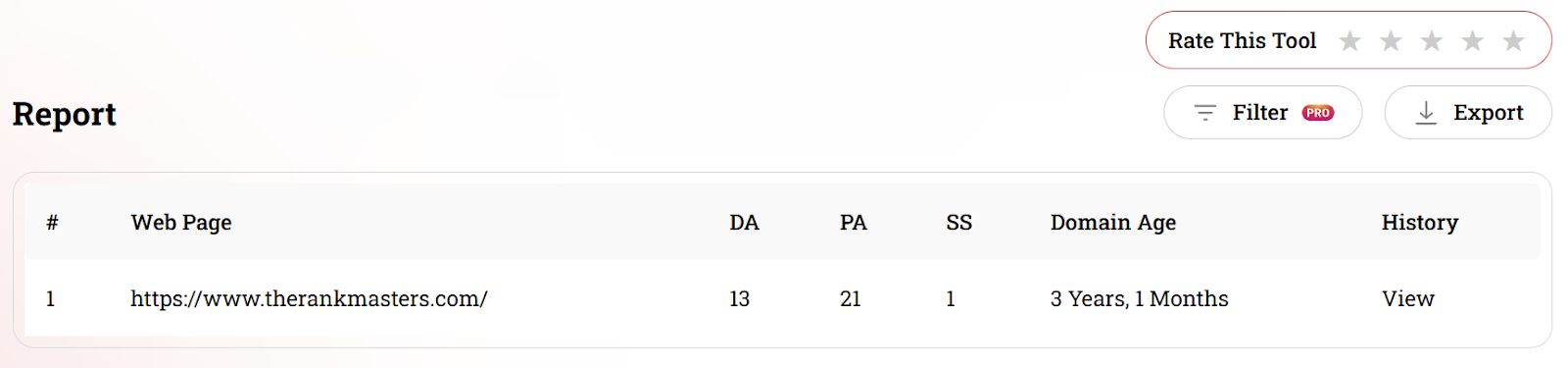
Try to acquire a link from relevant websites with a high authority score. However, it is important to note that domain and page authority scores are not direct Google ranking factors. But still, these are widely recognized as useful SEO metrics by experts all around the world.
4. Inspect Context before Link Placement
The effectiveness of the backlink largely depends on the context in which it is placed. Search engines like Google usually give more preference and value to the links that are naturally added into the content, offering value to the audience and also enhancing their experience.
Fully contextual backlinks are far more valuable than backlinks that are acquired through bios, commenting, sidebars, etc.
Therefore, it is essential for you to carefully read the content to decide if you can naturally incorporate your website link in it or not. Besides this, also pay attention to the anchor text and its quality.
Always avoid forced and vague link placement. Doing so can generate a spam signal, increasing the overall chances of facing a penalty from Google.
5. Review the Backlink Profile of the Source Site
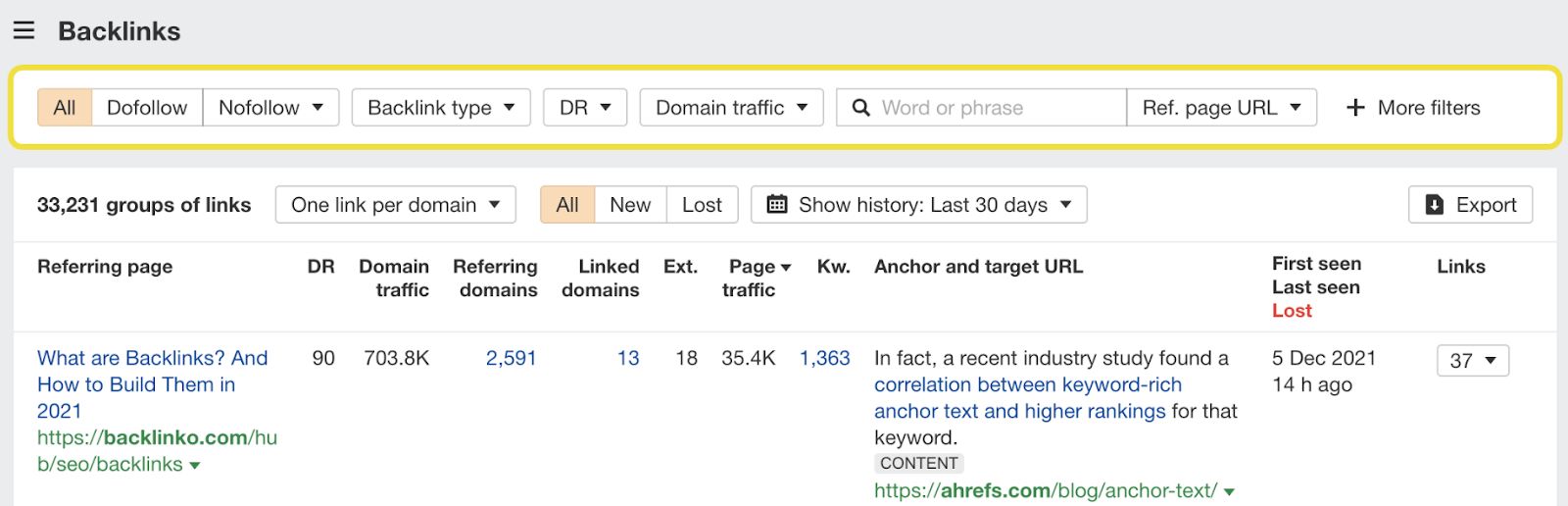
Last but not least, don’t just investigate the source site’s relevance, content, etc. Instead, you should also analyze its backlink profile. This is because if the site is receiving links from spammy or low-quality sites, then acquiring backlinks from it can also harm the overall performance of your website.
When evaluating the backlink profile, here are a few red flags that you need to watch out for:
- Backlinks from PBN (Private Blog Network) websites
- A large number of outbound links on a single page
- Overuse of the same anchor text
Numerous tools, such as Ahrefs, can help you perform a comprehensive audit of any website’s backlink profile.
So, after going through all these points, you should now have a clear idea of how to check backlink quality before acquiring links.
Final Thoughts
Simply acquiring backlinks is not enough to dominate the SERPs in 2026. You need to focus on link quality as search crawlers have become highly sophisticated. Now, they prefer site relevancy, content quality, context, and many other factors to measure link effectiveness.
That’s the reason why it has become highly crucial for webmasters to always check backlink quality beforehand. This blog post has discussed how this process can be done in detail.